
Start With The Decision
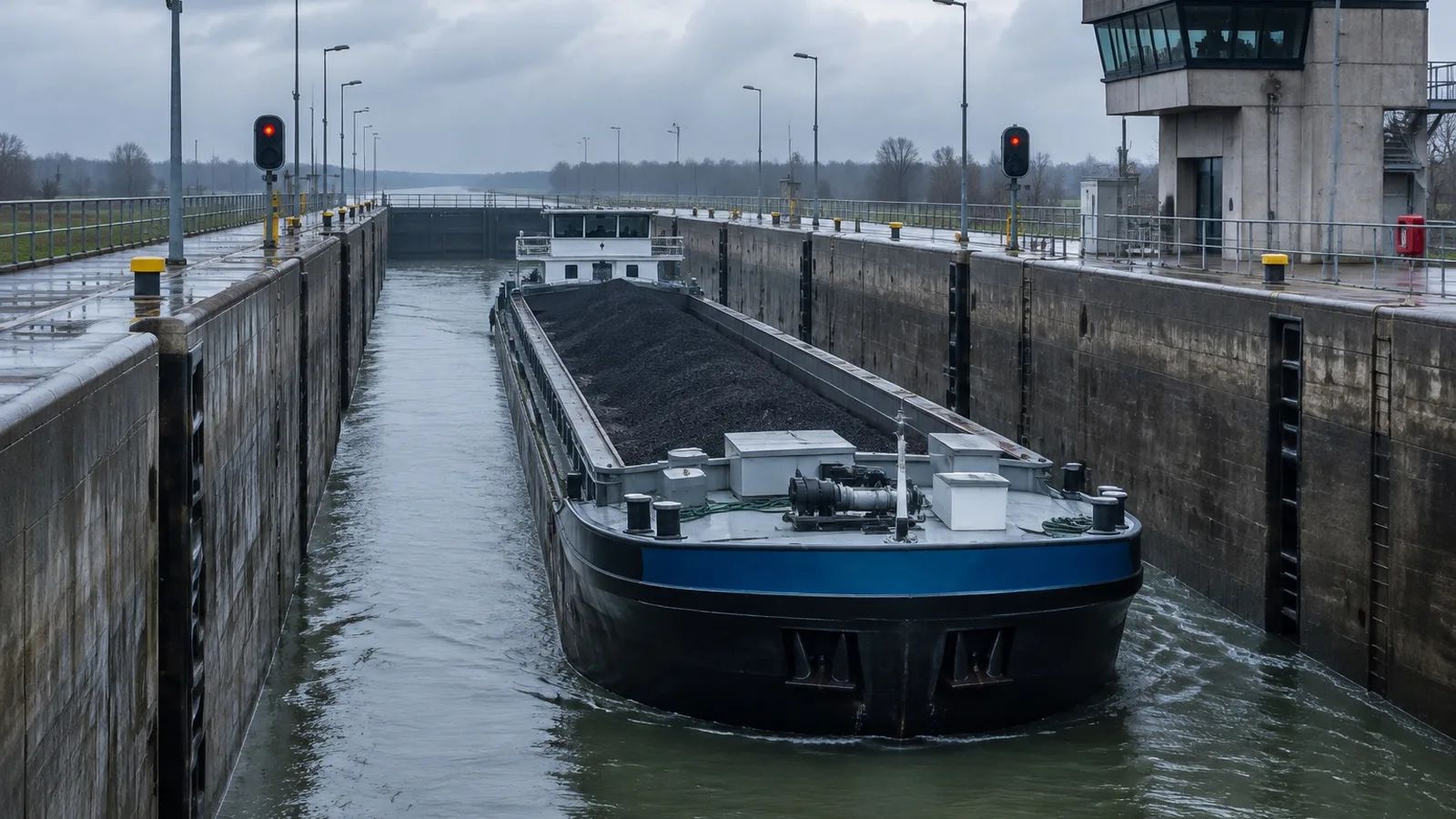
After contact with a lock wall or bank, an inland operator needs to know whether the vessel can continue. A suspected leak or fouled propeller raises the same practical problem. The schedule matters, but the decision needs evidence from below the waterline. An underwater assessment helps establish what is visible, what needs attention and what remains uncertain.
This is an explanation of typical practice, not a named client case. It contains no verified outcome figures. Same-day assessment is offered where available. Neither attendance nor a particular result should be assumed before the location, access and proposed work have been discussed.
Describe The Problem Before Ordering A Repair
Begin with the event and the symptoms. Explain where contact occurred, which part of the vessel may be affected and what the crew has observed. Keep observations separate from assumptions. A report of possible propulsion damage is more useful when it explains why damage is suspected, rather than presenting an unconfirmed repair as the starting point.
The published inland service includes damage assessment, propulsion clearance and leak investigation. These are related tasks, but they answer different questions. An inspection after contact looks for damage. Clearance addresses wire, rope or debris around propulsion. Leak investigation addresses a concern about watertight integrity. The request should identify which question needs answering first.
Do not reduce the brief to a request to get the vessel moving. That describes the operator's objective, not the condition underwater. A clear brief allows the team to discuss an appropriate assessment and to explain which further decisions may depend on the findings.
Make The Waterway Part Of The Plan
The vessel's location is part of the technical brief. Inland work takes place within a waterway network where current and passing traffic can restrict diving windows. A vessel being available does not mean that a diving operation can begin immediately. Access and the surrounding activity need to be considered together.
The published service process includes waterway authority notification and traffic coordination. Current and visibility are assessed before entry, and diving operations are supervised. These steps belong in the plan even when the visible task appears small. The pressure to recover a schedule does not remove the need to establish suitable working conditions.
Underwater Solutions Group works in Belgium, the Netherlands, France and Germany. Ask about availability for the actual berth or waterway. Provide the location, access constraints and required scope rather than assuming a local base or an arrival time.
Separate Assessment From Intervention
An assessment should create a usable visual record with damage locations. It should address concerns about watertight integrity and provide documentation that can be discussed with the operator, insurer or surveyor. The purpose is to make the next decision clearer, including where the available evidence is incomplete.
A finding is not automatically an instruction to repair. If propulsion is fouled, clearance may be possible within the agreed scope. If damage or a suspected leak is found, further discussion may be needed before work proceeds. The published service includes temporary sealing and repair where possible, not an assurance that every defect can be resolved afloat.
Avoid treating an unclear view as confirmation that nothing is wrong. The report should distinguish what was inspected from what could not be established. Equally, do not describe every visible mark as a settled explanation for the problem. Keep the record tied to observations and identify the questions that still need an answer.
What To Send And What To Ask
Send the location, vessel type and symptoms first. Add a plain account of the contact or suspected problem. Explain what the operator needs to decide and who will review the findings. This gives the inspection a practical purpose without asking the diving team to assume a conclusion in advance.
Ask what the initial assessment will cover and what evidence will be provided. Discuss whether clearance or temporary work is being requested as well as inspection. If the first findings change the scope, the parties should understand that a new decision is needed. An initial request for inspection should not quietly become an open-ended repair instruction.
Ask how findings will be discussed with the insurer or surveyor where they are involved. The published process places that discussion between assessment and works. Keeping that sequence clear helps prevent a practical misunderstanding: a diving team may have identified a condition without all parties having agreed what should happen next.
A Practical Decision Checklist
Use the following list to organise the request and the discussion after inspection. It is a preparation aid, not a substitute for the site plan or the assessment itself.
- State the exact location, vessel type and observed symptoms.
- Describe the event without presenting a suspected defect as confirmed damage.
- Ask about availability and the effect of current, visibility and passing traffic.
- Agree the inspection scope and the visual record needed for review.
- Separate propulsion clearance, leak investigation and temporary repair in the instruction.
- Discuss findings with the operator, insurer or surveyor before agreeing further work.
- Record unresolved questions alongside completed work and observed conditions.
Use The Findings To Choose The Next Step
The useful result is a clearer decision, not simply confirmation that divers attended. Keep the visual record, the discussion of watertight integrity and any completed clearance or temporary work together. Someone reviewing the file later should be able to distinguish the original concern from the findings and the action taken.
An inland schedule can be disrupted by uncertainty as well as by repair work. A defined assessment helps address that uncertainty without promising an outcome. Where the evidence does not support a decision to continue, keep the open points visible. Where further work is proposed, define it from the findings rather than from the original assumption.