
Start With The Defect, Not The Departure Time
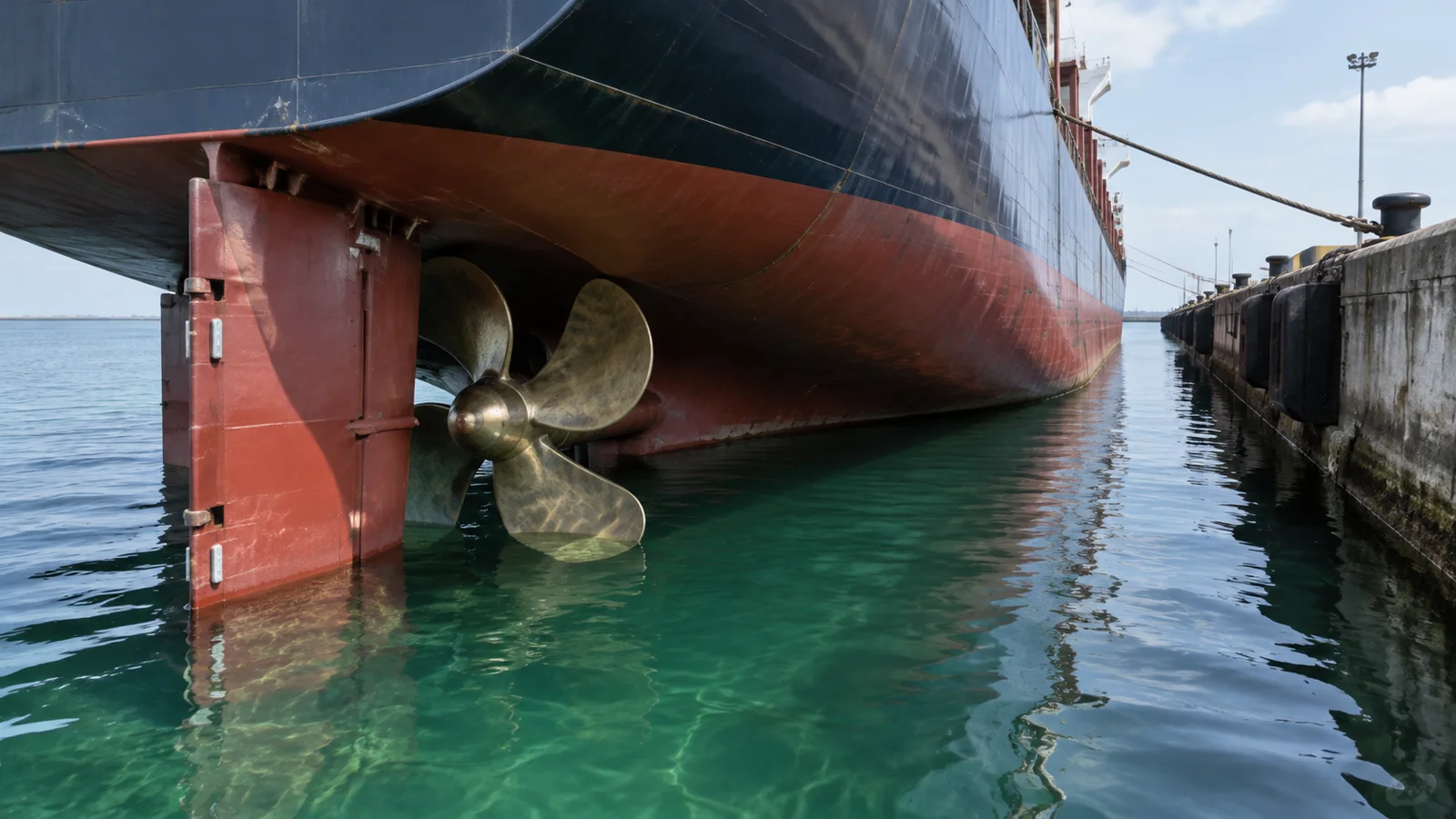
A port call can provide an opportunity to inspect or repair the part of a vessel below the waterline while the ship remains afloat. The available time is only one part of the decision. The defect, the access and the conditions at the berth determine what work can be proposed. A departure schedule is not evidence that a repair is suitable.
Maritime shipping support includes in-water surveys, hull and propeller cleaning, blanking and sealing, underwater repair and assistance in port or at anchorage. These are different scopes. State whether the request is maintenance, damage assessment or an intervention after a problem. That distinction helps the owner and the executing company agree what needs to be established before work starts.
Agree The Working Window And Isolations
Work can often be carried out while a vessel is working cargo, but this is agreed with the master and terminal beforehand. The working window, exclusion zone and confirmation that propulsion and thrusters remain shut down belong in that agreement. Machinery isolation and lock-out are coordinated with the chief engineer. Being alongside does not, by itself, make an underwater intervention acceptable.
Hull cleaning may be carried out alongside or at anchorage where conditions, current and local regulations allow it. Port rules on cleaning and biofouling differ, so permissibility is checked before a job is confirmed. Treat a cleaning request separately from a repair request. Neither the berth location nor a previous visit removes the need to check the actual scope and local restrictions.
Separate Inspection From The Repair Decision
An in-water survey records the condition below the waterline. Findings can then support a decision on the repair scope. Any required supplier approval, surveyor attendance and acceptance criteria must be confirmed with the relevant classification society and contracting company before booking. Do not treat an inspection record as automatic acceptance of a proposed repair or permission for a vessel to resume trading.
Blanking, sealing and temporary patch repairs can be used to allow a vessel to continue to its next scheduled docking, subject to class agreement. Permanent repair is a separate question. The choice follows the actual condition and the agreed acceptance requirements. A fouled propeller is another distinct scope: ropes, nets or debris may be removed in the water, followed by checks for damage.
Prepare The Request And Keep The Record
Send the vessel name and IMO number, port, expected arrival and departure, required scope and draught. Include any instruction already issued by the owner or classification society. Available drawings, previous inspection records and photographs help describe the problem. If the defect is still uncertain, say so. A clear request distinguishes what has been observed from what the owner wants the inspection to determine.
The reporting stage provides video and a report for the owner, manager, class or insurer. Keep the agreed scope and the findings together so later decisions can be traced to the work actually carried out. For urgent underwater damage, call the emergency desk rather than relying on a quotation form. Mobilisation is assessed for the incident, location and resources required; no guaranteed attendance time is published.