
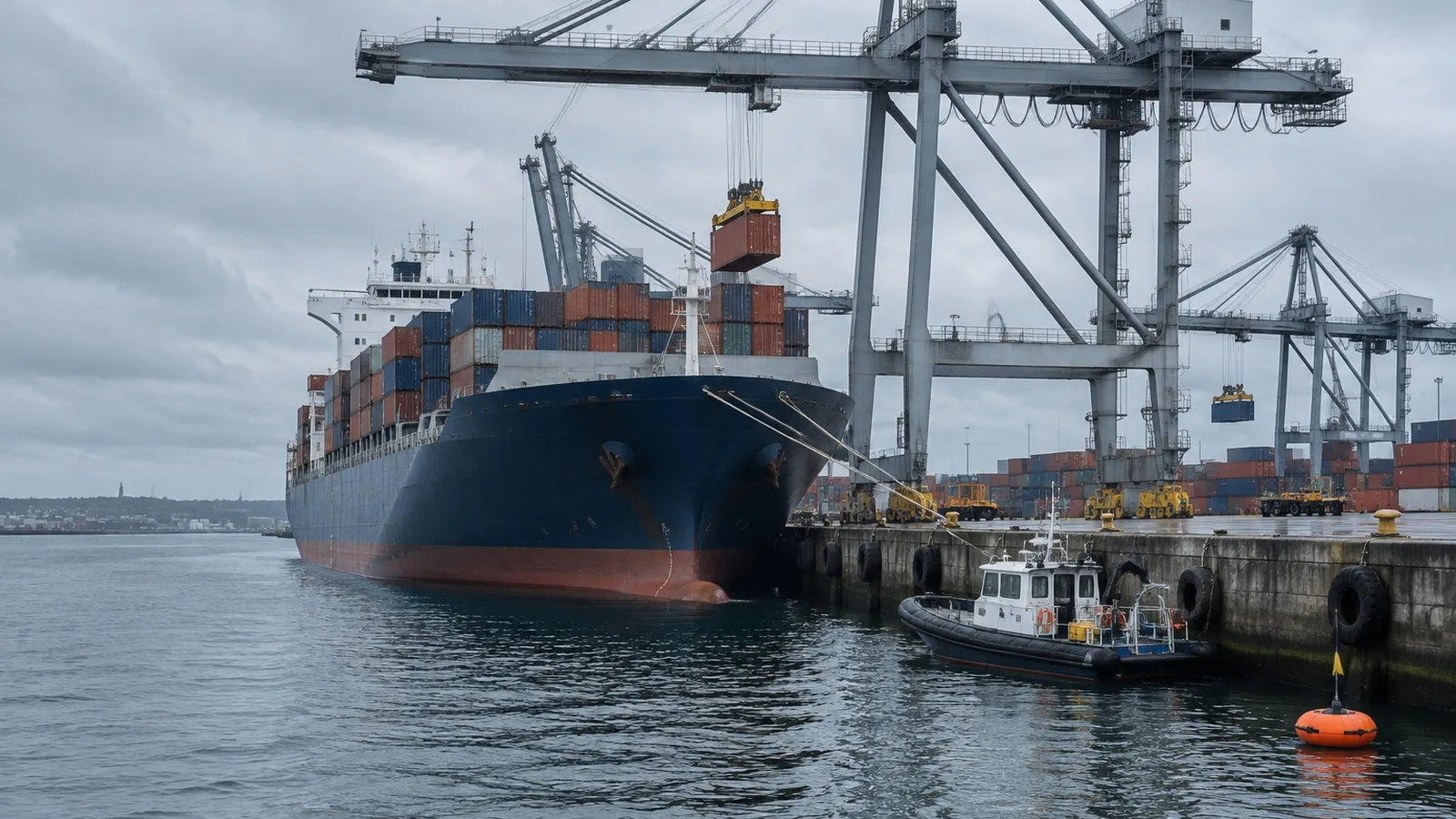
Start With The Working Window
The first decision is not simply whether a berth can remain in use. It is how the inspection can fit around vessel movements without leaving gaps in the survey. A live berth needs an inspection plan that follows the terminal schedule, rather than a schedule built only around the diving team.
The useful starting point is a shared picture of the structure and the available access. An owner needs to know which areas will be inspected, how findings will be recorded and what happens when a window closes. Keeping commercial operations moving does not mean that diving continues through every movement.
Build The Plan Around Actual Constraints
Vessel movements, tide, current and visibility shape the available working time. Berthing, unberthing and shifting suspend diving alongside. In estuary ports, slack water often defines the practical window. Low visibility increases the time needed to inspect a section. These constraints belong in the plan before anyone treats the proposed schedule as settled.
A movement schedule alone is therefore not an inspection plan. It needs to be read alongside the access arrangements and the conditions expected at the structure. A gap between vessels may look useful on paper but still needs to be assessed against the other constraints.
Avoid treating every available gap as interchangeable. The question is what part of the agreed scope can sensibly be covered in each window. If a window changes, the plan should make the remaining scope clear rather than encourage an unrecorded reduction in coverage.
Divide The Structure Before Work Starts
The quay can be divided into numbered sections with fixed reference points. Each section then has its own video, findings and photographs. This makes a survey carried out over separate windows readable as a single inspection rather than a collection of unrelated visits.
Section boundaries should be clear to the person planning the work and to the person reading the report later. A description that makes sense only to someone standing on the quay is not enough. Use the same references in the inspection scope, the findings list and the supporting images.
The value continues beyond the current visit. Later inspections can use the same sections to compare condition. If a reference changes without explanation, an apparent difference may be a difference in location rather than in the structure. Maintaining the reference system supports maintenance planning and avoids making the next reader reconstruct the survey from scratch.
Agree The Method And Access Arrangements
The civil works process starts with drawings, previous reports and access constraints. A written method, risk assessment and equipment list are agreed with the asset owner. The working window, exclusion zone and vessel movements also need agreement with the terminal. These are connected parts of the preparation, not separate administrative tasks.
The practical aim is to make the boundary between inspection activity and terminal activity clear. A berth remaining in commercial use does not remove the need for controlled access or the agreed working arrangements. Avoid language that suggests the survey can proceed regardless of what is happening alongside.
Where the available information is incomplete, identify the gap before fixing the scope. Missing drawings or unclear section references should be visible in the planning discussion. Otherwise the team and the owner may be using the same words for different areas of the structure.
Treat Terminal Access As Part Of The Plan
Underwater Solutions Group works in Belgium, the Netherlands, France and Germany. Each terminal sets its own entry arrangements, and those arrangements can decide whether a working window is usable at all. Access belongs in the plan alongside tide, current and vessel movements.
A recent example: on the MV OROSHI in Amsterdam, at the Suez harbour, the plan was to dive from the quay. The terminal operator required ISPS data for every person on the team and for the truck to be sent in advance. That was the requirement of one terminal on one job, not a general rule. The practical lesson is to ask early what the terminal needs before entry and who will send it.
Make Partial Coverage Visible
A survey split across several windows needs a clear record of progress. The report should distinguish inspected sections from those still awaiting access. It should also show where visibility limited the record. An empty findings list must not be left to imply that an uninspected area was found sound.
Time stamped video, referenced stills and a defect register allow another person to follow the work. The register needs locations that connect back to the agreed sectioning. An image of a defect is much less useful if its position has to be guessed.
Keep observations separate from interpretation. Record what was seen before explaining what it may mean for maintenance. This helps the owner understand both the evidence and its limits. It also keeps a later change in interpretation from obscuring the original observation or the conditions under which it was made.
What To Send Before Planning
Send information that helps define scope, access and references. A large collection of files is less helpful than a clear explanation of which drawings and previous findings apply. Identify uncertainties rather than filling them with assumptions. The purpose is to agree what the inspection must answer and how the answer will be recorded.
Use the preparation discussion to check that the terminal and asset owner are working from the same proposed scope. If one expects a complete quay record and the other expects selected areas only, resolve that difference before discussing completion.
- Send the available drawings and identify the sections requiring inspection.
- Share previous reports and explain which findings need comparison.
- Provide the movement schedule and known access constraints for planning.
- Agree the working windows, exclusion zone and arrangements around vessel movements.
- Ask the terminal operator what information it needs before entry, and who will send it.
- Confirm the reference system, required records and treatment of incomplete coverage.
Close With A Readable Record
The final deliverable should explain what was inspected, what was found and what remains unresolved. It should not rely on the reader remembering how the terminal schedule changed during the work. Separate completed coverage from any scope still requiring a suitable window.
A useful closeout also preserves the references for the next inspection. Keep section names consistent across the written report, photographs and video. The measure of a workable plan is not simply that a diver gained access. It is that the owner receives a coherent condition record while the limits of the work remain clear.